
The Pros and Cons of Living on a Cul-de-Sac in Central Florida

The Pros and Cons of Living on a Cul-de-Sac in Central Florida
A cul-de-sac can be one of the most appealing features a Central Florida home has to offer. Less traffic, more privacy, and a quieter setting can make these streets especially attractive to families. But while cul-de-sac living has plenty of advantages, there are also a few things buyers should consider before assuming it’s automatically the better choice.
The Pros of Living on a Cul-de-Sac
Less Traffic and a Quieter Setting
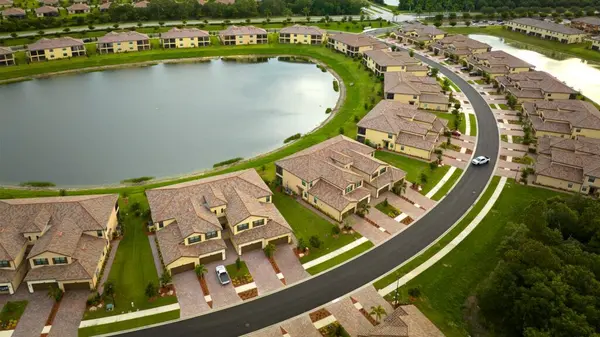
One of the biggest advantages is the lack of through traffic. Because a cul-de-sac typically serves only the homes located on that street, you’re less likely to deal with cars constantly passing by. That can mean a quieter environment and a more relaxed feel.
More Privacy
Cul-de-sacs can offer a greater sense of privacy than homes located along busy neighborhood roads. Depending on the layout, homes may also have larger or more secluded backyards, giving homeowners additional outdoor space to enjoy.
A Family-Friendly Environment
With fewer cars traveling through the street, cul-de-sacs can be appealing to families with children. Kids may have more opportunities to play outside or ride bikes without dealing with the same amount of traffic found on a major neighborhood road.
Potentially Larger Lots
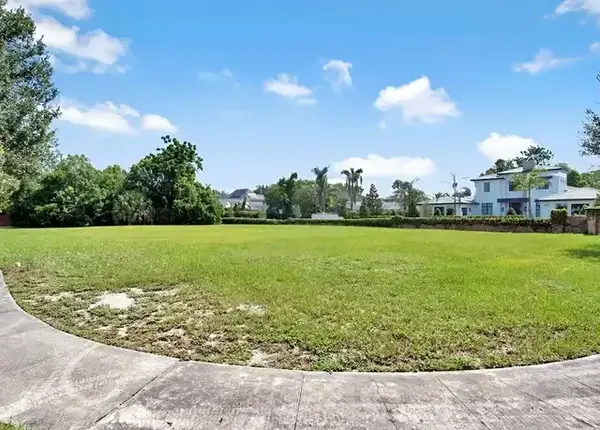
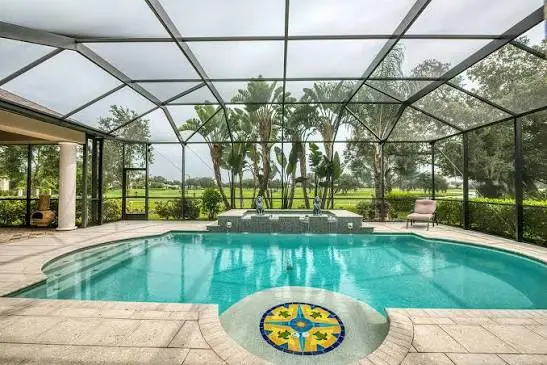
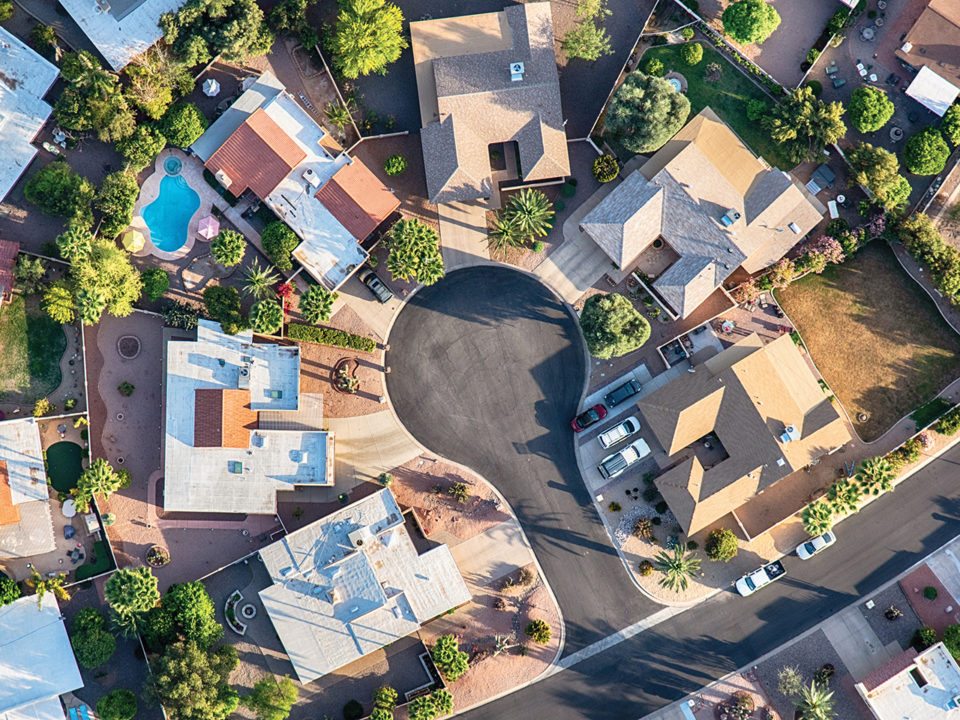
In some Central Florida communities, the homes at the end of a cul-de-sac have larger or uniquely shaped lots. That extra space can be valuable for homeowners who want a pool, larger backyard, outdoor entertaining area, or simply more room between neighbors.
The Cons to Consider
Not Every Lot Is Easy to Use
A larger lot doesn't necessarily mean a more functional lot. Cul-de-sac properties can have unusual shapes, curved frontages, or smaller usable backyard areas than their total square footage suggests. Always look at the actual layout of the property rather than relying on the lot size alone.
More Cars and Activity at the Turnaround
Although cul-de-sacs have less through traffic, the circular turnaround can become a gathering point for vehicles, deliveries, visitors, and neighborhood activity. Depending on the location of the home, this can mean more activity directly in front of your property.
Landscaping Can Be More Complicated
The curved street layout can create unusual front-yard configurations. Maintaining landscaping, installing fencing, or creating additional parking may require more planning than it would on a traditionally shaped lot.
Flooding and Drainage Still Matter
Florida buyers shouldn't assume that a quiet street means a low-risk property. Drainage, elevation, flood zones, and how water moves through the neighborhood should all be considered when evaluating a home—especially after Central Florida's heavy summer storms.
Resale Depends on the Buyer
A cul-de-sac is generally considered a desirable feature, but not every buyer prioritizes it. Someone who values a larger driveway, easier parking, a traditional lot shape, or a more convenient street layout may prefer a different location within the same neighborhood.
Is a Cul-de-Sac Right for You?
For many Central Florida homeowners, the benefits of less traffic, increased privacy, and a quieter neighborhood environment can make a cul-de-sac an excellent choice. But the specific property matters more than the label.
Before purchasing, look at the lot's shape, driveway, parking, drainage, backyard usability, surrounding homes, and how much activity actually occurs on the street.
A cul-de-sac can be a great feature—but it shouldn't be the only reason you choose a home. The best property is one where the lot, location, floor plan, and neighborhood all work for the way you actually live.
Categories
Recent Posts