
Why Two Homes on the Same Street Can Have Completely Different Insurance Costs


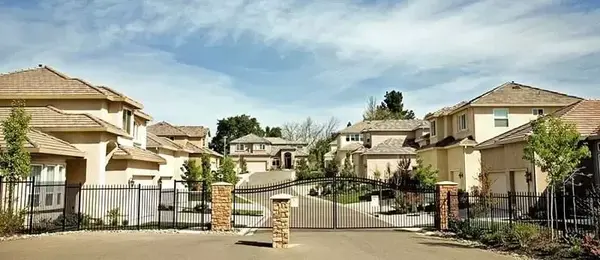
Two homes can sit next door to each other, have similar square footage, and even have similar sales prices—and still receive very different homeowners insurance quotes.
That's especially important for Central Florida buyers. Insurance isn't determined simply by how much a home costs. The home's age, roof, construction, location, storm-mitigation features, and other characteristics can all affect how an insurer evaluates the property.
For buyers comparing homes in the same neighborhood, this is one of those costs that's easy to overlook until it's time to actually insure the house.
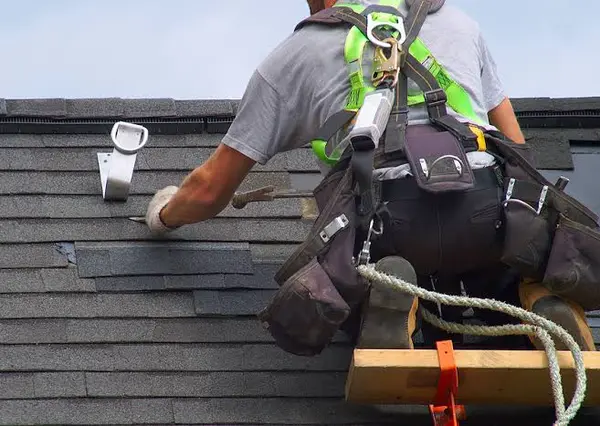
The Roof Can Make a Major Difference
Two houses built around the same time can have very different insurance situations if their roofs are different ages or have different construction characteristics.
In Florida, the roof is particularly important because of the state's exposure to hurricanes and severe storms. Insurance companies may consider factors related to the roof's age, construction, condition, and ability to withstand wind.
A newer roof can also have documented wind-mitigation features that may qualify for insurance discounts, depending on the insurer and policy.
This is why buyers shouldn't simply ask, "How old is the house?"
They should also ask, "How old is the roof?"
One Home May Have Better Wind Mitigation
A home's ability to withstand high winds can affect its insurance costs.
Features such as certain roof-to-wall connections, roof-deck attachments, roof shape, opening protection, and other construction features may qualify for wind-mitigation discounts when properly documented.
That means two homes on the same street could have different insurance costs because one has qualifying mitigation features that the other doesn't.
A wind mitigation inspection can document these features for an insurer. Florida's Office of Insurance Regulation notes that the state's wind-mitigation inspection forms were updated effective April 1, 2026.
The Age of the Home Matters
A 2005 home and a 1995 home may look almost identical from the street, but their construction standards and systems can be different.
The age of the home can affect how insurers evaluate the property's construction and wind resistance. For example, Citizens provides certain Florida Building Code-related discounts for eligible homes and qualifying construction features.
This doesn't mean a newer house will automatically have cheaper insurance. It means the construction details matter, not just the appearance of the property.
Location Still Matters
Two homes in the same general neighborhood aren't necessarily exposed to exactly the same risks.
Things to investigate include:
- Flood zone
- Distance from water
- Elevation
- Surrounding development
- Storm exposure
- Whether flood insurance is needed separately
- Local insurance availability
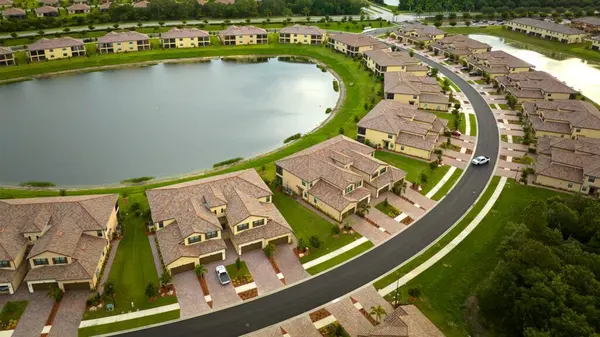
A home backing up to a lake or retention pond, for example, may have different considerations than a home several streets away—even if both are part of the same community.
The Construction Materials Matter Too
What a home is made of can affect how it performs during severe weather and how an insurer evaluates the risk.
Roofing materials, windows and doors, wall construction, roof connections, and other structural features can all be relevant to wind mitigation. Citizens' inspection guidance specifically includes the home's structure, roof, walls, doors, windows, skylights, and attic when documenting mitigation features.
This is another reason why looking at two homes from the outside isn't enough to predict what either one will cost to insure.
Don't Forget About Updates
A home's original construction date doesn't tell the whole story.
A house built decades ago may have since received a new roof, upgraded openings, or other improvements that change its insurance profile.
Buyers should ask for documentation of major improvements rather than simply taking the seller's word that something has been updated. Receipts, permits, inspection reports, and other documentation may be important when an insurer evaluates qualifying features.
Get the Insurance Quote Before You Fall in Love With the House
This may be the most important takeaway.
If you're comparing two Central Florida homes, don't wait until after you've chosen one to find out what it will cost to insure.
Get insurance quotes for the properties you're seriously considering and compare the total cost of ownership, not just the purchase price and estimated mortgage payment.
A house that's $20,000 cheaper isn't necessarily the cheaper home to own if it comes with significantly higher insurance, maintenance, or other ongoing costs.
The Bottom Line
Two houses on the same street can look nearly identical on a real estate listing and still have very different insurance costs.
The roof, age, construction, wind-mitigation features, location, updates, and other property-specific details can all matter.
For Central Florida buyers, insurance should be part of the home-shopping process—not something you figure out after you've already decided which house you want.
Before making an offer, ask questions, gather documentation, and get an actual insurance quote for the specific property.
Because in Florida, the price of the house is only part of the price of owning it.
Categories
Recent Posts