Your Backyard Is Private Today. Will It Still Be Private Next Year?
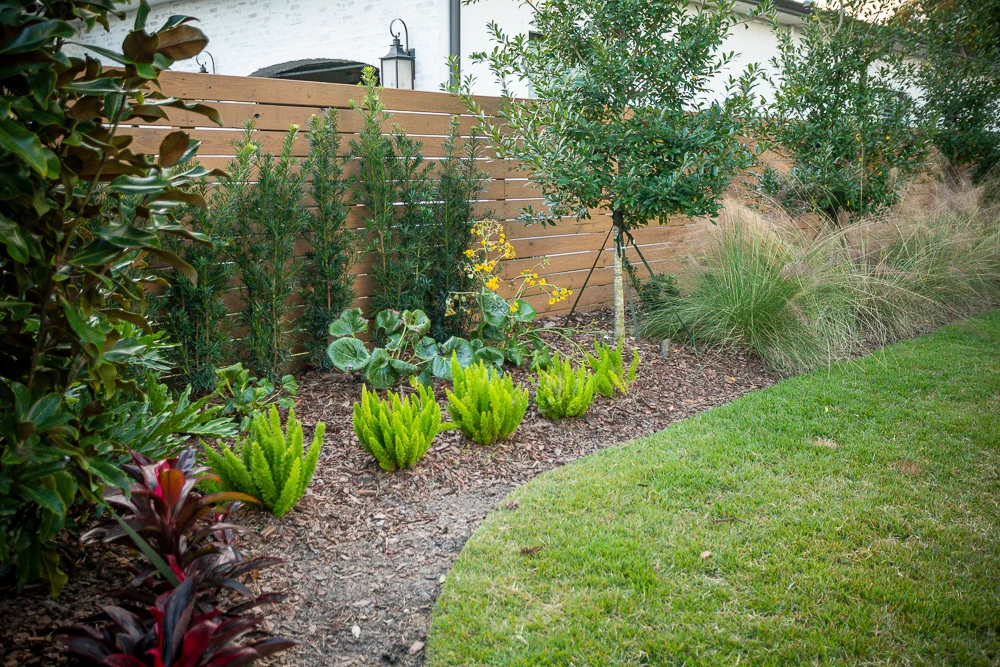
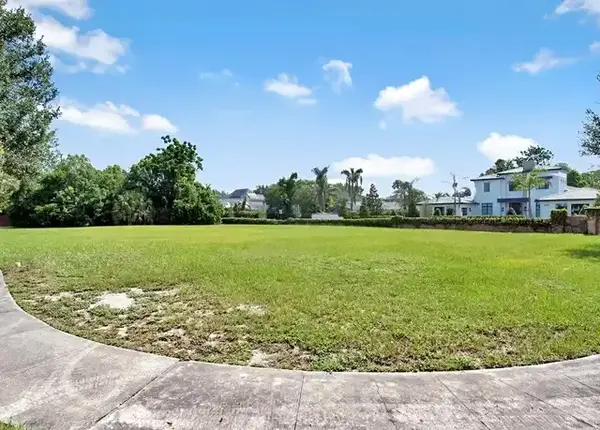
You find a home in Central Florida with a fenced backyard, mature trees, and no neighbors looking in from behind. Maybe the property backs up to a wooded lot, an empty field, or a stretch of land that makes the yard feel much larger than it actually is.
It's easy to see that privacy as a permanent feature of the home. But before you make an offer, there's one important question to ask: What happens if the land behind you gets developed?
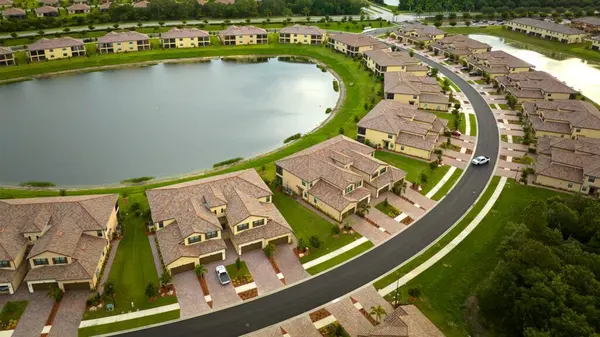
Across Central Florida, residential and commercial growth continues to change the landscape. A quiet backyard today could eventually face a row of new homes, a construction site, or a road that wasn't there when you bought the property. That doesn't mean you should avoid homes near vacant land. It means you should understand what that land is and what could happen to it before you buy.
That Wooded Lot Might Not Stay Wooded
One of the biggest misconceptions buyers have is that a tree line behind a property will always be there.
Unless the land is protected or subject to restrictions that prevent development, trees and open space can eventually be cleared. A vacant parcel could be privately owned, held for future construction, or part of a larger development plan.
This is particularly worth investigating in growing areas around Sanford, Lake Mary, Oviedo, Apopka, and parts of unincorporated Seminole and Volusia counties, where the character of a neighborhood can change as surrounding land is developed.
Before assuming the view is permanent, find out who owns the property behind the home and whether there are plans for it. A wooded lot and a protected conservation area may look identical from your patio, but they offer very different levels of certainty.
A Conservation View Is Different From Vacant Land
A home advertised with a conservation view may offer more long-term privacy than one backing up to an ordinary empty parcel, but buyers should verify exactly what that designation means.
In planned communities, conservation areas may be subject to environmental restrictions that limit development. However, not every patch of trees or undeveloped land is a protected conservation area.
Ask your real estate agent to help determine whether the land is designated as conservation, whether the designation is documented, and whether any nearby parcels are included in the same protected area. Review the relevant plat, community documents, or recorded restrictions when applicable.
Even protected land can look different over time as vegetation changes or maintenance takes place. The goal is to understand what is protected rather than relying on the view alone.
Check the Zoning Before You Fall in Love With the Backyard
If the land behind a home is privately owned and undeveloped, zoning can offer clues about what may eventually be built there.
For example, a large vacant parcel might allow residential development, while another parcel could be designated for commercial or mixed-use purposes. Depending on its zoning and other regulations, a property near your backyard could eventually accommodate additional homes, a business, or another type of development.
Start with the county or city planning department for the property's jurisdiction. In Central Florida, that may mean checking records through Seminole County, Orange County, Volusia County, or the relevant municipality.
Look at both current zoning and future land-use designations. Also check for proposed developments, pending applications, and public planning meetings. Current zoning doesn't tell the entire story if a change is being requested.
Keep in mind that zoning shows what may be allowed, not necessarily what will be built. Still, it can help you make a more informed decision.
The Impact May Go Beyond Losing Your View
Losing a private view is frustrating, but new development can affect more than what you see from the back porch.
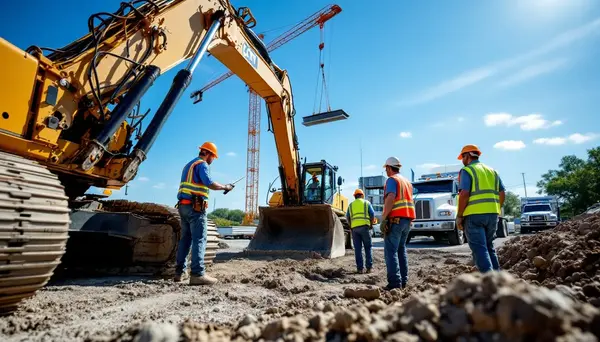
Depending on the project, construction may introduce noise, additional traffic, exterior lighting, and more activity near your property. A new subdivision could change how busy nearby roads become, while commercial development might bring early deliveries, parking lot lights, or longer operating hours.
Drainage is another consideration. New construction generally has stormwater requirements, but buyers should still understand the property's existing drainage patterns and how nearby development could affect the surrounding area.
If privacy is a major reason you're interested in a home, consider how you would feel if the land behind it changed. Would a second row of homes bother you? Would traffic noise be a dealbreaker? Thinking through those possibilities now can help you decide whether the property still makes sense.
Don't Assume a Fence Will Solve the Problem
A fenced backyard can create a comfortable sense of separation, but it won't necessarily protect your privacy if neighboring land is developed.
New homes may have elevated windows, second-story balconies, or outdoor living areas that overlook your yard. A road or commercial property could introduce visibility and noise that a standard fence won't block.
If the surrounding land is likely to change, look at the actual layout of the property. Consider where a future building might sit, how close it could be to your fence, and whether additional landscaping could realistically provide privacy.
Also check your HOA rules and local requirements before planning to add taller fencing, trees, or privacy screens. What you can install may be limited by property restrictions, easements, or setback requirements.
How to Research the Land Before Buying
You don't need to predict the future perfectly, but a little research can reveal important information before you commit to a property.
Start by identifying the parcel behind the home. County property appraiser maps can help you locate the parcel and identify its owner, although ownership records alone won't tell you whether development is planned.
Next, check the applicable planning department's zoning and future land-use maps. Search for proposed subdivisions, site plans, rezoning requests, and development applications in the surrounding area. If something is unclear, contact the planning department directly and ask what information is publicly available.
Finally, visit the property more than once if possible. Look beyond the backyard itself and pay attention to nearby roads, cleared land, construction activity, and signs of new development.
No amount of research can guarantee that a neighborhood will never change. However, it can help distinguish a home with a reasonably protected view from one whose privacy depends entirely on an empty parcel remaining empty.
Buy the Property, Not Just the View
A private backyard can be one of the best features of a Central Florida home, especially if you enjoy outdoor entertaining, gardening, or simply having space away from neighboring houses.
But before paying more for a home because it backs up to trees or vacant land, find out what is actually behind the property. Determine whether the land is protected, investigate current zoning and development plans, and consider how future construction might affect your enjoyment of the yard.
The most important question isn't just whether the backyard is private today. It's how much of that privacy depends on someone else's property staying exactly as it is.
That distinction can make all the difference when choosing a home you'll be happy with for years to come.
Categories
Recent Posts