
That Empty Field Near Your Neighborhood May Already Have a Future

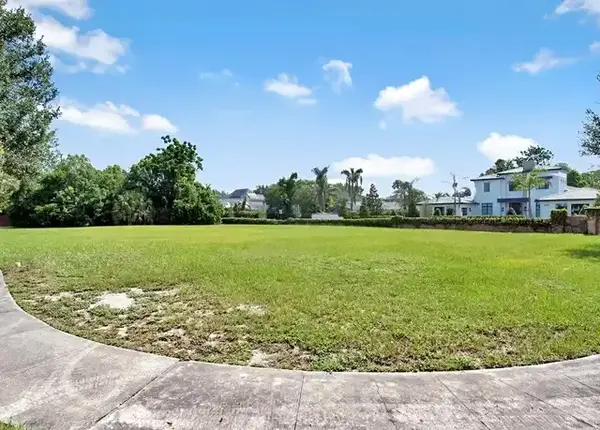
You find a home in Central Florida with a beautiful view of an open field. There are no houses behind the fence, no nearby shopping centers, and very little traffic on the road. It feels like you've found a quiet pocket away from the area's growth.
But have you ever wondered why that field is still empty?
In a region where new subdivisions, shopping centers, apartment communities, and road projects continue to reshape neighborhoods, undeveloped land doesn't necessarily mean land that will stay undeveloped. The property could be privately owned, part of a future development, or waiting for the right zoning approval.
For homebuyers, the difference matters. The view, traffic patterns, privacy, and overall feel of a neighborhood can change considerably after a nearby project is completed. Before buying a home because of what's around it, take a little time to find out what might be coming next.
An Empty Field Doesn't Tell You Much About Its Future
A vacant parcel can serve many purposes. It might be intended for future homes, commercial buildings, apartments, public facilities, or a road connection. It could also remain undeveloped for years.
The challenge is that you often can't determine its future just by looking at it.
A field covered in grass might be privately owned and available for development. A wooded parcel might have an active planning application. Even land that appears neglected could be part of a larger project that hasn't started construction yet.
This is particularly relevant in growing areas around Sanford, Lake Mary, Oviedo, Apopka, and the surrounding communities, where residential growth and infrastructure projects can change the character of an area.
The important question isn't simply whether the land is empty. It's who owns it, how it is designated, and whether any development plans are already underway.
Start With the County Property Appraiser
One of the easiest first steps is identifying the parcel behind or beside the property you're considering.
County property appraiser websites generally provide parcel maps, ownership information, property boundaries, and other basic records. These tools can help you determine whether the land is a separate parcel, who owns it, and how large it is.
For example, a small parcel directly behind a home may have very different development potential from a 40-acre tract farther down the road.
In Central Florida, start with the property appraiser for the county where the home is located. That may be Seminole, Orange, Volusia, Lake, or another nearby county.
Keep in mind that ownership records are only the starting point. They won't necessarily tell you whether a project has been proposed or what the land could eventually accommodate.
Zoning Can Reveal What Might Be Built
Once you've identified the parcel, the next step is checking its zoning and future land-use designation.
Zoning determines what uses may be allowed on a property, subject to applicable regulations and approvals. Future land-use designations provide a broader indication of how a local government intends an area to develop over time.
A parcel near a residential neighborhood might be designated for additional housing, commercial uses, or a mix of uses. That doesn't mean every possibility will become reality, but it can help you understand what could be permitted.
Check the relevant city or county planning department's maps and records. Also look for rezoning applications, proposed site plans, public hearing notices, and development applications involving the parcel.
A property may be located within city limits or in an unincorporated area, so make sure you're checking with the correct planning authority.
Look for Projects That Haven't Broken Ground Yet
One of the most useful things a buyer can do is research development before construction becomes obvious.
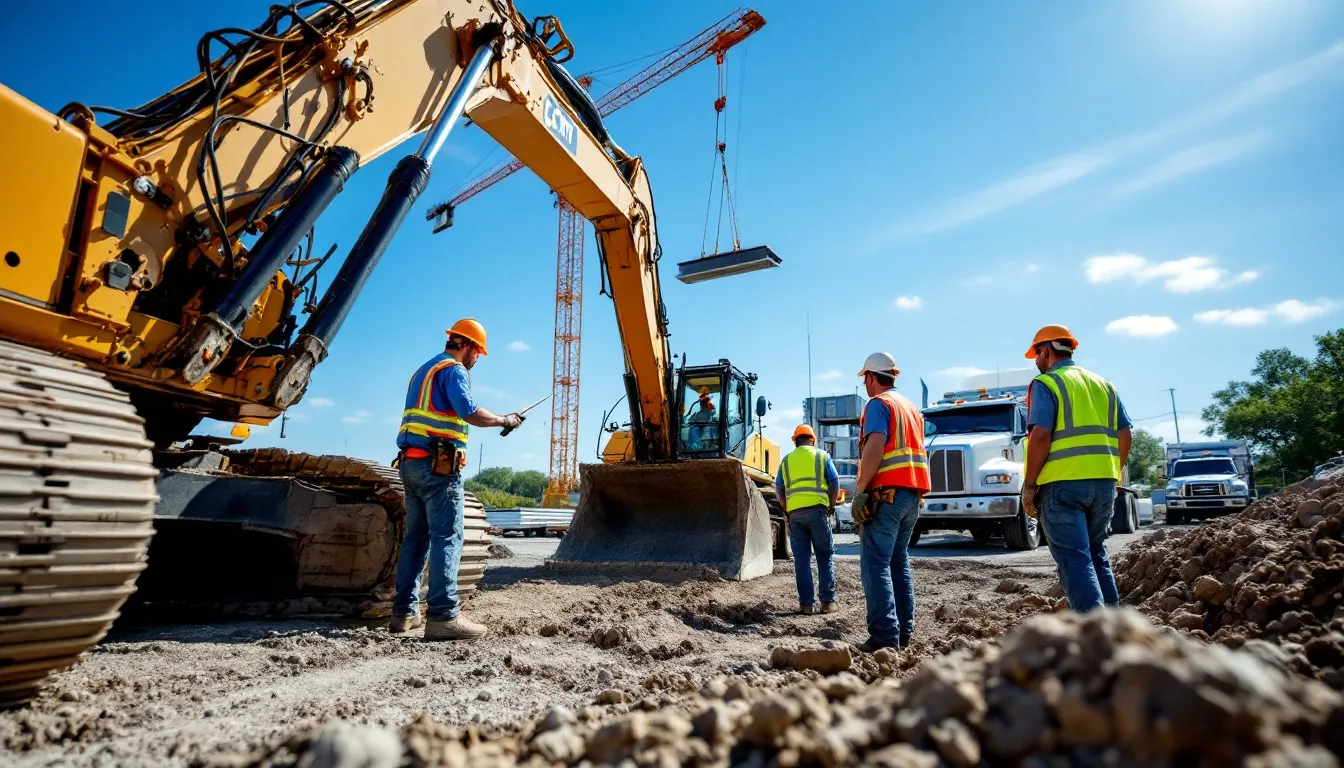
By the time bulldozers arrive, a project may already have gone through several stages of planning and review. Depending on the proposal, information may be available through public planning records, zoning hearings, or development review applications well before work begins.
Look for proposed subdivisions, apartment complexes, shopping centers, industrial projects, and road improvements near the property.
Pay attention to the size of a proposed project, its entrances and exits, and the roads residents or customers would use to reach it. A new residential development may mean more traffic on a nearby road, while a commercial project could bring lighting, deliveries, and longer hours of activity.
Not every proposal will be approved or built as submitted. Plans can change, projects can be delayed, and land can remain vacant for years. Still, knowing what's being considered gives you a more informed starting point than assuming nothing will happen.
The Land Behind the House Isn't the Only Land That Matters
Buyers often focus on the parcel immediately behind a backyard, but development farther away can affect a home, too.
A new subdivision a few streets over could change traffic on the route you use every morning. A commercial center nearby might make errands more convenient while increasing congestion at an intersection. A road extension could improve access to another part of town but also introduce more traffic to a previously quiet area.
When researching a neighborhood, look beyond the property line. Consider major roads, undeveloped tracts, nearby intersections, and parcels along your usual driving routes.
This is especially worthwhile if you're choosing a home based on a short commute, a quiet street, or easy access to a particular school or shopping area.
Ask What the Development Could Mean for Your Property
Not every new project is bad news. In fact, development can bring useful services, new shopping options, improved roads, and additional amenities closer to home.
The goal isn't to avoid growth entirely. It's to understand how a particular project could affect the reasons you want to buy a specific property.
If you're paying extra for a private backyard, ask whether nearby land could eventually be developed. If you want a quiet neighborhood, investigate proposed roads and commercial uses. If you're concerned about resale value, consider whether the surrounding area's future could make the home more or less appealing to potential buyers.
You should also look at the home's physical surroundings. Future construction may affect views, noise, and traffic, but the actual impact will depend on the project's location, design, and scale.
A Simple Research Checklist Before You Make an Offer
Before committing to a home next to vacant land, take these steps:
-
Identify the neighboring parcel through the county property appraiser.
-
Check current zoning and future land-use maps.
-
Search the applicable planning department's records for development applications and proposed changes.
-
Review public notices and planning or zoning hearing agendas for nearby projects.
-
Look at planned road improvements and nearby development sites.
-
Ask the local planning department whether it can clarify the status of a project you're concerned about.
If a project is important to your decision, verify its current status directly with the responsible planning authority. A map or old meeting notice may not reflect the latest proposal.
Buy With Your Eyes Open
Central Florida's growth is not slowing down everywhere, and an empty field can be part of a neighborhood's future even when it looks like a permanent piece of open space today.
That doesn't mean you should rule out a home near undeveloped land. It means you should understand the possibilities before deciding how much that view, privacy, or location is worth to you.
A few minutes spent reviewing public records can reveal questions you might never think to ask during a showing.
Before you fall in love with the view, find out what you're looking at—and what could eventually take its place.
Categories
Recent Posts