
Why a New Roof Doesn't Always Mean a Home Is Easy to Insure

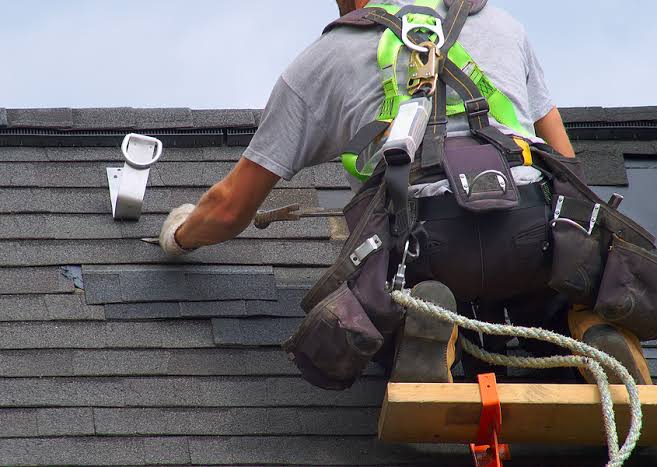
A listing says “new roof.” Great. In Florida, that is exactly what buyers want to see.
You start picturing one less major expense to worry about after closing. Maybe the roof was replaced last year, the house looks well maintained, and the seller is even offering a warranty.
Then you call an insurance agent.
And suddenly you are being asked about the electrical panel, the age of the water heater, the home's construction, wind mitigation features, prior claims and a dozen other things you weren't thinking about when you scheduled the showing.
A new roof is a big plus in Central Florida. But it doesn't automatically make a house easy to insure.
The New Roof May Be the Best Thing About the House — and Still Not Be Enough
A roof replacement can eliminate one major concern for a buyer, especially in Florida's storm-prone climate. But insurance companies aren't just insuring the roof.
They are insuring the entire house.
That means a home with a two-year-old roof could still raise questions because of other components that are 20, 30 or even 40 years old.
This comes up often with older Central Florida homes. A house in Sanford, Longwood, Altamonte Springs or parts of Orlando may have a relatively new roof sitting on a home with an older electrical system, older plumbing or other features an insurer wants to evaluate.
So when you hear “new roof,” think of it as one box checked — not the whole insurance application.
The Electrical Panel Can Become the Bigger Conversation
One of the things buyers sometimes don't think about until the insurance quote comes back is the electrical system.
You may walk into a beautifully renovated home with new flooring, a modern kitchen and a brand-new roof. Everything looks move-in ready.
Then the insurance company asks for information about the electrical panel.
Depending on the home's age and the specific equipment installed, the insurer may require additional documentation, an inspection or other steps before offering coverage.
This is why cosmetic updates can sometimes tell you very little about how straightforward a house will be to insure.
A New Roof Doesn't Tell You What Kind of Roof It Is
“New roof” is useful information, but there are still questions worth asking.
When was it installed? What material was used? Was the work permitted? Is there documentation? Are there transferable warranties? Does the roof have features that may affect the home's wind resistance?
Those details matter.
And if you are buying a home in an area where storms and wind are a major consideration, documentation can be particularly important. Don't assume the listing description tells you everything an insurance company will want to know.
The House Could Have a Great Roof but a Complicated Insurance History
Here's another one buyers don't always think to ask about: the property's insurance history.
A house can look completely normal during a showing and still have a history of prior claims.
That doesn't necessarily mean there is something wrong with the property today. But it is another reason not to make assumptions based solely on what you can see during a showing.
Your insurance agent can tell you what information they need to evaluate the property and what questions you should be asking before you get too far into the transaction.
Wind Mitigation Can Change the Picture
Two houses can sit in the same Central Florida neighborhood, have similar square footage and both have new roofs — but still receive different insurance quotes.
One reason can be the home's wind-resistant construction features.
A wind mitigation inspection can document features such as certain roof-to-wall connections, roof geometry and opening protection. Depending on the property and insurer, those characteristics can affect the insurance picture.
That's why buyers shouldn't assume that the house with the newest roof will automatically have the lowest premium.
Don't Forget the Age of Everything Else
This is where buying an older Florida home can get interesting.
Imagine you find a 1990s home with a roof replaced in 2025. It looks like a great find.
But now ask:
How old is the HVAC?
How old is the water heater?
Has the electrical system been updated?
What about the plumbing?
Are the windows original?
What does the wind mitigation report show?
Suddenly, the roof is only one part of the story.
None of those things automatically mean you should walk away from the house. They simply give you a much better idea of what you are actually buying — and what an insurance company may want to know.
Get the Insurance Quote While You Still Have Options
This is probably the biggest takeaway for Central Florida buyers.
Don't wait until you are days away from closing to discover that the insurance cost is significantly higher than you expected.
Once you have a property you are seriously considering, start the insurance conversation early. Give the agent the property address and as much information as you have about the roof, updates and major systems.
If the agent needs additional documentation, you have time to get it.
And if the quote comes back much higher than expected, it is much better to know that before you are emotionally committed to the house.
A New Roof Is Still a Very Good Thing
None of this means buyers should discount a home because it has a new roof.
A newer roof can be a significant advantage in Florida and can remove one of the biggest immediate maintenance concerns a homeowner might otherwise face.
The point is simply that “new roof” and “easy to insure” are not the same thing.
When you're buying in Central Florida, look at the whole property. The roof, electrical system, plumbing, age of the home, wind mitigation features, claims history and other characteristics can all become part of the insurance conversation.
The best time to find that out isn't after you've fallen in love with the house.
It's before you write the check.
Categories
Recent Posts