
The Empty Lot Next Door: What Central Florida Buyers Should Find Out Before Buying

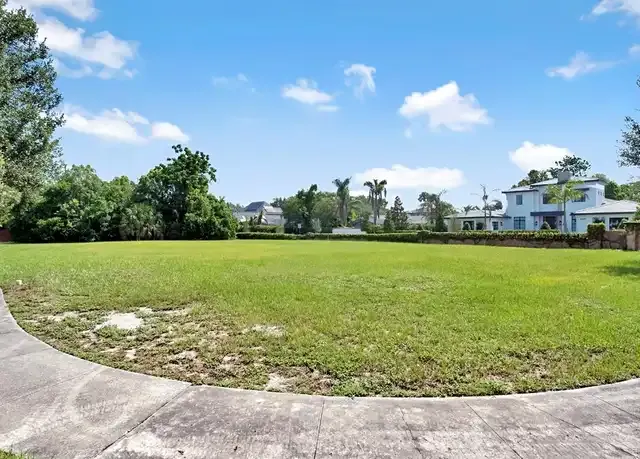
A home with an empty lot next door can seem like a dream. Maybe you have a beautiful view, extra privacy, or the feeling that your neighborhood will stay quiet and spacious for years to come.
But in Central Florida, undeveloped land doesn't always stay undeveloped.
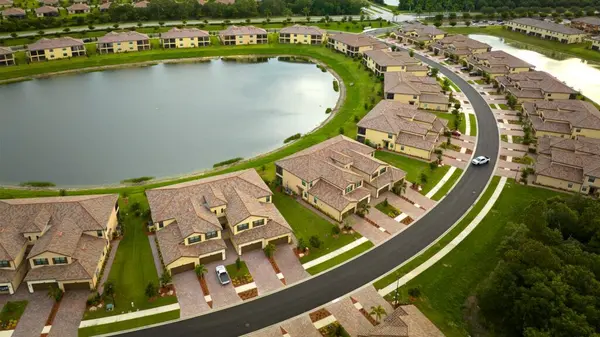
With communities expanding throughout areas like Sanford, Lake Mary, Oviedo, Winter Garden, and parts of Volusia County, buyers should take a closer look at what's happening around a property before assuming that an empty lot will remain that way.
An Empty Lot Doesn't Mean It Will Stay Empty
One of the biggest mistakes buyers make is treating undeveloped land as a permanent feature of the neighborhood.
That vacant parcel could eventually become another home, a new neighborhood, apartments, commercial space, a road, or a community amenity. What gets built depends on the property's zoning, ownership, development plans, and local approvals.
Before purchasing a home next to vacant land, find out who owns it and whether there are any plans for future development.
Find Out Who Owns the Property
The ownership of the lot can tell you a lot about its potential future.
A parcel may belong to:
- A private homeowner
- A residential developer
- A commercial developer
- An HOA or community association
- A government entity
- A land investor
A privately owned lot may eventually be sold or developed. Land owned by an HOA may serve as a common area or remain subject to community restrictions. Government-owned land may have a different purpose entirely.
The important thing is to avoid making assumptions based solely on how the property looks today.
Check the Zoning and Future Land Use
A vacant lot's current appearance doesn't tell you what can legally be built there.
Zoning and future land-use designations can help indicate whether a parcel is intended for residential, commercial, institutional, recreational, or other uses.
For example, a wooded lot behind a home may look like it will remain a natural buffer. But if the land is designated for future residential development, the view could eventually change.
Buyers should review the applicable county or city planning information and ask whether there are known development applications or approved projects nearby.
Look Beyond the Property Line
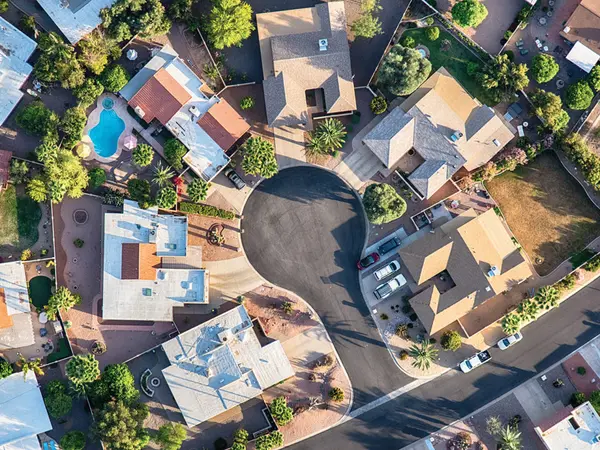
Sometimes the biggest change to a neighborhood isn't what gets built on the empty lot itself—it's what happens around it.
A new development could bring:
- Additional traffic
- Construction noise
- New access roads
- More homes nearby
- Changes to drainage
- New commercial activity
- Increased demand on local roads and amenities
This is especially relevant in growing parts of Central Florida, where new residential communities and infrastructure projects can change the character of an area over time.
A property that feels tucked away today may have a very different setting in the future.
Don't Assume a Wooded Lot Is Protected
Trees and natural vegetation can create a sense of privacy, but not every wooded parcel is protected from development.
Some land may be subject to environmental restrictions, wetlands regulations, conservation easements, or other limitations. Other parcels may be developable, even if they currently look untouched.
If a home's appeal depends heavily on a wooded view, buyers should investigate whether that land is protected or simply undeveloped.
A beautiful view is valuable—but understanding why it exists is even more important.
Consider Drainage and Stormwater
Central Florida's frequent summer storms make drainage an important consideration when evaluating nearby land.
Future development may involve changes to grading, stormwater systems, roads, and runoff patterns. While development must comply with applicable requirements, buyers should still understand the existing drainage conditions and any known plans that could affect the surrounding area.
Look for signs of standing water, erosion, drainage swales, or low-lying areas. If the property is near wetlands or a retention pond, investigate those features as well.
Ask About Easements and Access
An empty lot may have easements that aren't immediately obvious.
Utility easements, drainage easements, access rights, and other recorded restrictions can affect how the land is used. They may also influence what can be built, where roads or utilities are placed, and how neighboring properties are accessed.
If you're buying a home because of its backyard privacy or open view, understanding nearby easements can help you avoid surprises.
What Can Buyers Actually Do Before Making an Offer?
You don't have to become a land-development expert, but a little research can go a long way.
Before purchasing a home next to vacant land:
- Identify the parcel. Find out whether the empty property is a separate lot, common area, conservation area, or part of a larger tract.
- Check ownership and zoning. Review available county or city property records and planning information.
- Look for development activity. Ask about pending applications, approved projects, proposed roads, or nearby construction plans.
- Review HOA documents. If the property is in a community, find out whether the land is owned or maintained by the association.
- Investigate drainage and easements. Understand how water moves through the area and whether any recorded restrictions affect the land.
- Consider the long-term picture. Ask yourself whether you'd still be happy with the home if another house, road, or development eventually appeared next door.
The Bottom Line
An empty lot next to your future home can be a wonderful feature. It may offer privacy, natural scenery, and a quieter atmosphere that makes the property stand out from the competition.
But in a growing market like Central Florida, you should never assume that vacant land will stay vacant forever.
Before making an offer, take the time to understand who owns the property, what can be built there, and whether any future development could affect your home.
The best home isn't just one you love today. It's one you're comfortable owning as the neighborhood around it evolves.
Categories
Recent Posts