
What to Know Before Buying a Home Near a Retention Pond in Central Florida

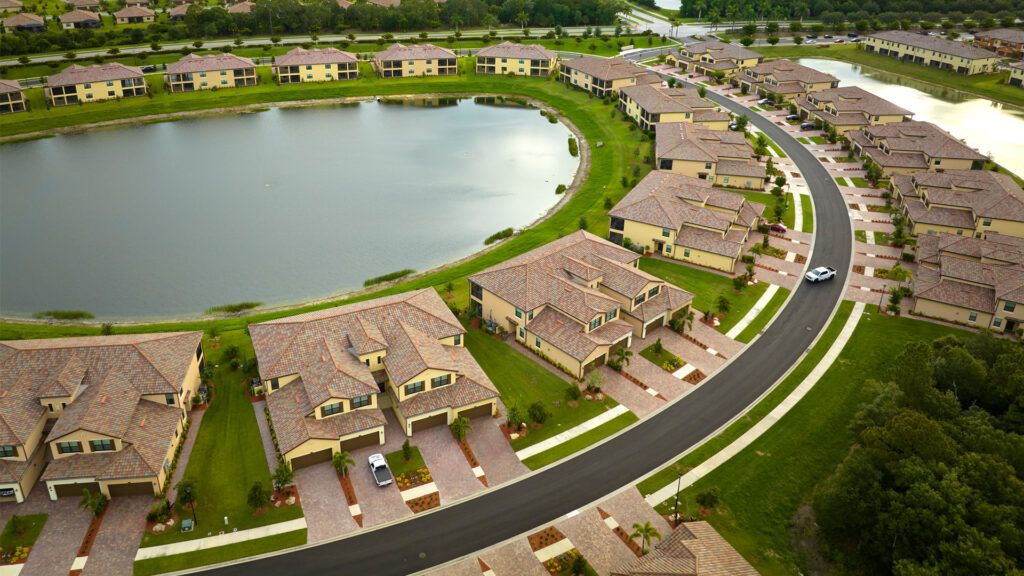
What to Know Before Buying a Home Near a Retention Pond in Central Florida
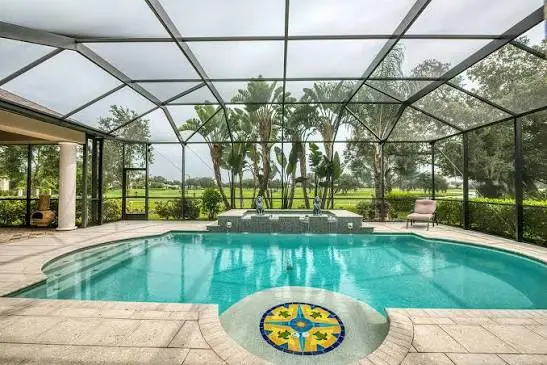
A backyard overlooking a pond can be one of the most attractive features of a Central Florida home. It can provide privacy, a more open view, fewer immediate neighbors, and a peaceful backdrop.
But that view comes with a few things buyers should understand before making an offer.
A Pond View Doesn't Automatically Mean Flood Risk
One of the biggest misconceptions is that a home sitting next to a retention pond automatically means it's in a flood zone.
That's not necessarily the case.
Retention ponds are commonly designed as part of neighborhood stormwater systems to collect and manage runoff. However, flood zone designation and proximity to a retention pond are two different things.
Buyers should still verify the property's actual flood zone rather than making assumptions based on what they see in the backyard.
Find Out Who Maintains the Pond
Don't assume the homeowner is responsible for everything they see behind the house.
Depending on the community, the pond and surrounding areas may be maintained by the HOA, a community association, a municipality, or another entity.
Before buying, find out:
- Who owns the pond
- Who is responsible for maintenance
- Whether maintenance is included in the HOA
- Whether homeowners have any maintenance responsibilities
- Whether there are restrictions on fencing or landscaping near the pond
This information can usually be found through the HOA documents, property records, or other community documentation.
Ask About Drainage and Standing Water
Central Florida gets significant rainfall, particularly during the summer months.
A pond may rise substantially after heavy storms, and buyers should pay attention to how water behaves around the property. Look for signs such as standing water, erosion, unusually saturated areas, or drainage channels.
If you're seriously considering a property, seeing the property after or during a heavy rain can tell you things a sunny-day showing cannot.
The View Can Be Great—But So Can the Wildlife
Living next to water can mean more than a pretty view.
Depending on the property and surrounding environment, homeowners may encounter increased mosquitoes, frogs, birds, insects, and other wildlife.
That's not necessarily a negative. For many homeowners, the natural setting is part of the appeal. But it's something to understand before deciding that a pond lot is automatically better.
Check What Can Be Built Around the Pond
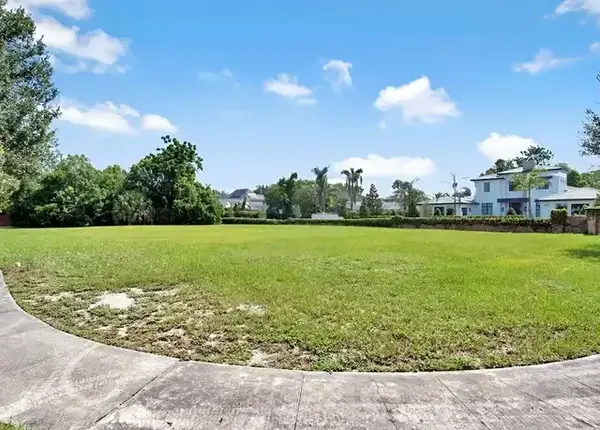
One of the biggest advantages of a pond lot is the open space behind the home.
But buyers should find out what that open space actually represents.
Is it part of the stormwater system? Is it owned by the HOA? Is there undeveloped property beyond it? Are there easements? Could additional homes eventually be constructed nearby?
Don't assume that an undeveloped view will remain unchanged forever.
Think About Your Backyard Plans
A pond lot can affect how you use your property.
Fencing, landscaping, pools, patios, outdoor kitchens, sheds, and other improvements may be subject to setback requirements, HOA rules, easements, or other restrictions.
If you're buying specifically because you want a pool or major backyard renovation, investigate those limitations before assuming the lot will accommodate your plans.
Consider the Privacy Factor
This is one of the biggest reasons buyers seek out pond lots.
Instead of looking directly into another backyard, you may have an unobstructed view and significantly more separation from neighboring homes.
However, not every pond lot provides the same level of privacy. Walk the property line and look at the homes across or around the pond. A large community pond can still have plenty of houses visible from your backyard.
Don't Forget About the HOA
If the property is located in a planned community, review the HOA documents before purchasing.
Pay attention to rules involving:
- Fences
- Landscaping
- Trees
- Exterior structures
- Pool construction
- Drainage
- Easements
- Maintenance responsibilities
A pond lot can be beautiful, but you want to know what you can and can't do with it.
Is a Retention Pond Lot Worth It?
For the right buyer, absolutely.
A pond lot can provide privacy, views, additional open space, and a more peaceful backyard setting. But buyers shouldn't pay a premium simply because they see water behind the house.
Before making an offer, investigate the flood zone, drainage, pond ownership, maintenance responsibilities, easements, HOA restrictions, and future development around the property.
The best pond lot isn't simply the one with the prettiest view. It's the one where you understand exactly what you're buying—and what comes with it.
Categories
Recent Posts