
Hurricane Preparedness Guide for Central Florida Home Owners

Hurricane Preparedness Guide for Central Florida Homeowners
Hurricane season is a yearly reminder that living in Florida comes with incredible sunshine—and the responsibility to prepare for severe weather. While Central Florida is inland, storms can still bring strong winds, heavy rain, flooding, and extended power outages.
The best time to prepare isn't when a storm is approaching. It's now.
Here are some important steps Central Florida homeowners can take to protect their homes and families before the next storm arrives.
Inspect Your Home Before Storm Season
Start with a walk around your property and look for potential problem areas.
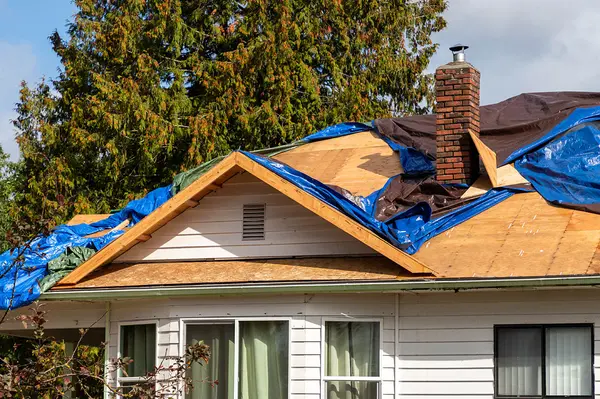
Check your roof for missing or damaged shingles, inspect gutters and downspouts, and make sure water can drain away from your home's foundation. Trim dead or damaged tree branches, especially those near your roof, windows, vehicles, and power lines.
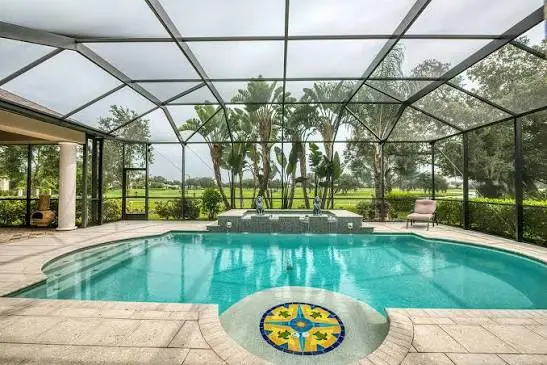
If you have a pool, secure or store outdoor furniture, umbrellas, and other loose items that could become dangerous during high winds.
Taking care of small maintenance issues now can help prevent bigger problems later.
Pay Attention to Your Trees
Central Florida's beautiful trees can become a major concern during severe weather.
Look for dead branches, leaning trees, or trees that appear unstable. If you're unsure about a tree on your property, consider having it evaluated by a professional before hurricane season.
Don't wait until a storm is approaching to schedule tree work. Local companies can become extremely busy when a storm is in the forecast.
Protect Your Windows and Doors
Strong winds can damage windows and doors, potentially allowing rain and wind into your home.
If your home has hurricane shutters or impact-resistant windows, make sure you know how to use them before a storm is approaching. If you use plywood or other temporary coverings, make sure everything is measured and ready ahead of time.
Garage doors are another area to consider. They can be particularly vulnerable to high winds, so make sure yours is properly maintained and secured.
Build a Hurricane Supply Kit
Every Central Florida household should have enough supplies to get through several days without power or access to stores.
Consider keeping the following items on hand:
-
Bottled water
-
Nonperishable food
-
Flashlights and extra batteries
-
Battery-powered or hand-crank radio
-
First-aid supplies
-
Necessary medications
-
Portable phone chargers
-
Important documents
-
Cash
-
Pet food and supplies
-
Basic tools
-
Coolers and ice packs
Don't forget about your pets. Make sure you have enough food, water, medication, and supplies for them as well.
Prepare for Power Outages
Even if your home doesn't experience major damage, a storm can leave you without electricity for an extended period.
Charge your phones, portable batteries, and other essential electronics before the storm arrives. If you have a generator, make sure it is maintained and ready to operate safely.
Never operate a generator inside your home, garage, or any enclosed space. Generators should always be used outdoors in a well-ventilated area away from doors and windows.
Know Your Insurance Coverage
Before hurricane season, review your homeowners insurance policy and make sure you understand your coverage.
Pay attention to your deductible and whether your policy covers the types of damage that may occur during a storm. Florida homeowners should also understand their flood risk and whether separate flood insurance may be appropriate for their property.
Keep copies of important insurance documents in a secure location that you can access if your home is damaged.
Document Your Home
Before a storm, take photos or videos of your home's interior and exterior.
Document valuable belongings and keep receipts or records for major purchases when possible. Store important documents and your home inventory somewhere secure, such as cloud storage or another location outside your home.
Having documentation can make the recovery and insurance process easier if your property is damaged.
Know Your Evacuation Zone
Even if you live inland, it's important to understand your property's evacuation zone and local emergency plans.
Know where you would go if you needed to evacuate, identify multiple routes, and make a plan for your household and pets. Follow official instructions from local emergency management officials if an evacuation order is issued.
Central Florida Homeowners: Don't Wait for the Forecast
One of the biggest mistakes homeowners make is waiting until a storm is approaching to prepare.
By then, stores may be running low on supplies, gas stations may have long lines, and contractors may already be booked.
Take the time now to inspect your home, organize your supplies, review your insurance, and create an emergency plan. A little preparation today can make a significant difference when severe weather arrives.
Stay safe, stay informed, and take care of your home before the next storm.
As your local Central Florida real estate resource, we're always here to help homeowners stay informed—not just when it's time to buy or sell, but throughout the years you own your home.
Categories
Recent Posts