
Moving to Central Florida: Pros and Cons

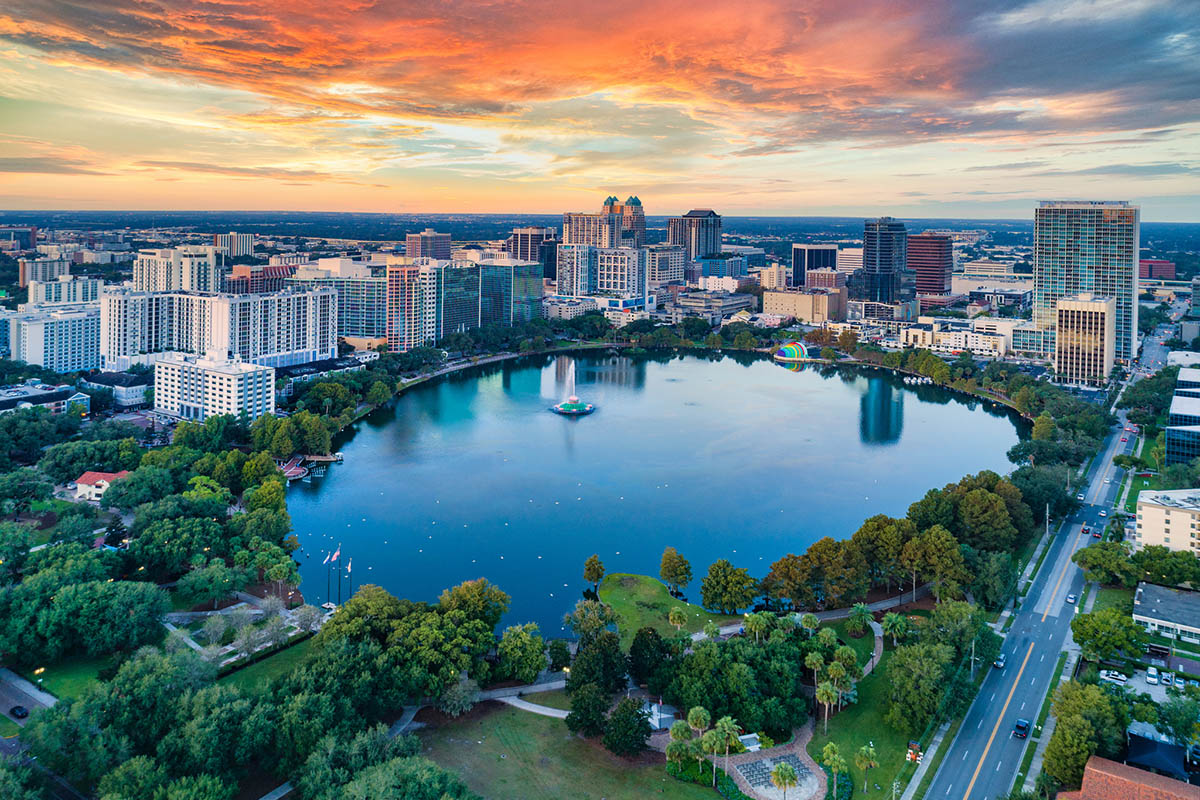
Central Florida attracts a wide range of people for a reason. Some move here for the weather, some for the lifestyle, some for work opportunities, and others simply want more space, more sun, and a different pace of life. Whether you are relocating from out of state or moving within Florida, Central Florida offers a lot to love — but it also comes with a few tradeoffs worth understanding.
If you are thinking about making a move, here is a realistic look at the pros and cons of living in Central Florida.
The pros of living in Central Florida
1. Warm weather for most of the year
One of the biggest reasons people move to Central Florida is simple: the weather. You can enjoy sunshine for much of the year, spend more time outdoors, and do things in February that people in other states are still waiting until May to do. Golf, parks, patios, boating, trails, and weekend outings are much more accessible when winter is not shutting everything down.
For many people, that alone is a major lifestyle upgrade.
2. Variety of places to live
Central Florida is not just one type of market. You can find historic downtown areas, newer suburban communities, master-planned neighborhoods, lakefront homes, golf communities, more affordable starter-home areas, and luxury pockets. Whether someone wants walkability, strong schools, quick highway access, larger lots, or newer construction, there are a lot of options depending on budget and priorities.
That flexibility is a big reason so many buyers can find something that fits them here.
3. Access to entertainment, dining, and amenities
Living in Central Florida means being close to a lot of things to do. You have major attractions, sports, shopping, restaurants, local events, weekend markets, outdoor recreation, and plenty of day-trip potential. Even outside the major tourist zones, there are strong local communities with their own identity, food spots, parks, and hangouts.
You can have access to big-city amenities while still living in a suburban or neighborhood-focused environment.
4. Strong relocation appeal
Central Florida continues to attract people from other states because of its mix of lifestyle, job growth, and relative value compared with some higher-cost parts of the country. Many buyers moving here feel like they can still get more for their money than they could in places like the Northeast, parts of the West Coast, or other higher-priced metros.
That steady interest helps support long-term housing demand and keeps the region active.
5. Outdoor lifestyle
If you enjoy being outside, Central Florida has a lot to offer. Between springs, trails, lakes, golf courses, parks, and nearby beaches, there are plenty of ways to stay active. You do not have to be right on the coast to enjoy a lifestyle that feels more open, relaxed, and connected to the outdoors.
For families, fitness-minded people, and anyone who just wants to spend more time outside, that is a real advantage.
6. No state income tax
Florida’s lack of state income tax is a major draw for many people. While that should never be the only reason to move, it can be a meaningful financial advantage depending on your income and where you are relocating from.
For some households, that creates more flexibility in their monthly budget and long-term planning.
The cons of living in Central Florida
1. Heat and humidity
The sunshine is a plus — until it is August. Central Florida summers can be intense, with high heat, heavy humidity, and afternoon storms that become part of daily life. If you are moving from a milder climate, this can take some adjusting.
A lot of people love the weather overall, but the summer months are no joke.
2. Traffic and growth
Central Florida has grown quickly, and growth comes with congestion. Certain roads, highways, and corridors can get backed up, especially around major commuter routes, retail areas, and fast-growing suburbs. Depending on where you live and work, traffic can become part of your routine.
This is one reason location matters so much here. The right home is not just about the house — it is also about your daily drive and access to what you need.
3. Insurance and homeownership costs
One of the biggest realities buyers and homeowners need to understand in Florida is that monthly housing costs are not just about the mortgage. Homeowners insurance, flood considerations in some areas, HOA fees, and property taxes can all affect affordability.
A home that looks great on paper can feel very different once the full monthly payment is broken down.
4. Storm risk
Living in Florida means being aware of hurricane season and storm preparedness. Central Florida is often better positioned than coastal areas when it comes to direct storm impact, but residents still need to take weather seriously. Heavy rain, strong winds, and storm-related disruptions are part of living here.
For some people, that is a manageable tradeoff. For others, it is a major consideration.
5. Tourism-heavy areas can feel crowded
Depending on where you are in Central Florida, tourism can affect daily life more than people expect. Busy roads, crowded retail corridors, and heavily traveled areas can make certain parts of town feel less convenient, especially during peak seasons.
That does not mean Central Florida feels like a tourist zone everywhere, but it does mean choosing the right area matters.
6. Not every area fits every lifestyle
One of the best things about Central Florida is the variety, but that also means not every city or neighborhood is interchangeable. Some areas are better for commuters, some are better for families, some are more lifestyle-driven, and some are more budget-friendly. If someone moves here without understanding the differences between areas, they can end up in a place that does not actually fit how they live.
That is why local guidance matters so much during a move.
Is Central Florida a good place to live?
For a lot of people, yes. Central Florida offers sunshine, variety, strong amenities, and a lifestyle that appeals to families, professionals, retirees, remote workers, and people relocating for a fresh start. But it is not perfect, and it helps to go in with a realistic picture of both the benefits and the tradeoffs.
The key is not asking whether Central Florida is good or bad overall. The better question is whether it fits your budget, priorities, and day-to-day lifestyle.
For the right person, Central Florida can be an amazing place to live. You just want to make sure you choose the right area, the right neighborhood, and the right type of home for the way you actually live.
Final thoughts
If you are thinking about moving to Central Florida, the pros are real — but so are the cons. The goal is not to find a perfect place. It is to find the place that fits you best.
That means looking beyond the headline appeal and understanding what daily life will actually feel like in the area you choose.
Categories
Recent Posts