VA loans are one of the strongest homebuying benefits available to eligible Veterans, active-duty service members, and some surviving spouses. But misinformation is everywhere — and it can cost buyers time, money, or even the house.
Below are the most common VA loan myths, what’s actually true, and how to think about each one in real life.
Myth 1: “VA loans always require zero down.”
Truth: Many VA buyers can buy with 0% down, but it isn’t guaranteed in every situation.
Whether you can go zero down depends on things like your entitlement status, the loan amount, and lender guidelines. Some buyers may need a down payment depending on their specific scenario.
Takeaway: Zero down is common — just don’t assume it’s automatic without confirming your details.
Myth 2: “VA loans have monthly mortgage insurance.”
Truth: VA loans typically do not require monthly mortgage insurance like FHA loans do.
However, many borrowers pay a one-time VA funding fee (unless they’re exempt). That fee is often allowed to be financed into the loan instead of paid out of pocket, depending on the lender and your situation.
Takeaway: You’re often avoiding monthly mortgage insurance, but there may be a one-time funding fee.
Myth 3: “Everyone has to pay the VA funding fee.”
Truth: Not everyone. Some borrowers are exempt from the VA funding fee — commonly due to certain disability-related eligibility.
This is something to verify early because it can change your cash-to-close and monthly payment estimates.
Takeaway: Don’t guess. Confirm your exemption status up front.
Myth 4: “Sellers are required to pay all VA closing costs.”
Truth: Sellers are not required to pay the buyer’s closing costs.
In a VA transaction, seller contributions are still negotiable like any other deal. There are also rules about what a buyer can and cannot be charged, and there are limits on certain types of seller concessions.
Takeaway: Seller-paid costs are possible, but they’re negotiated — not automatic.
Myth 5: “VA appraisals are overly strict and kill deals.”
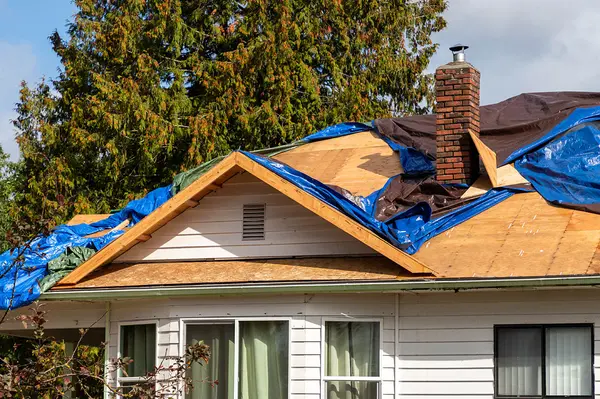
Truth: VA appraisals do include minimum property standards focused on basic safety, livability, and structural soundness. That can mean repairs are required if there are issues that fall into those categories.
But a VA appraisal is not “looking for perfection.” Many homes pass without drama, especially when the property is reasonably maintained and obvious safety issues are addressed.
Takeaway: VA appraisals can require repairs, but they’re usually predictable and manageable.
Myth 6: “VA loans require a home inspection.”
Truth: A VA appraisal is not a home inspection.
The appraisal is about value and minimum standards. A separate home inspection is typically optional — but often a smart choice so you understand the home’s condition beyond the basics.
Takeaway: Even with a VA loan, a home inspection is usually worth considering.
Myth 7: “VA loans take much longer to close.”
Truth: VA loans can close on timelines similar to conventional and FHA loans.
If a VA closing runs long, it’s usually because of common factors like appraisal scheduling, repair negotiations, underwriting conditions, title issues, or documentation delays — not simply because it’s a VA loan.
Takeaway: A lender experienced with VA loans and a proactive plan make a big difference.
Myth 8: “VA loans have a hard maximum loan limit.”
Truth: This myth is oversimplified. In practice, loan limits and entitlement can affect buyers differently depending on whether they have full entitlement or partial entitlement.
Takeaway: The real answer is “it depends.” A good lender can break down your entitlement and what it means for your purchase price and down payment.
Myth 9: “You can use a VA loan for any investment property.”
Truth: VA loans are meant for a primary residence. You generally need to intend to live in the home as your main residence within a reasonable timeframe after closing.
That said, some buyers may be able to purchase a multi-unit property and live in one unit while renting the others, depending on property type and lender guidelines.
Takeaway: VA loans are designed for owner-occupied homes — not purely investment purchases.
Bottom Line: VA Loans Are Powerful When You Use the Real Rules
VA loans can be an excellent path to homeownership, especially when you understand what’s true (and what’s just internet noise).
If you’re thinking about using a VA loan and want help building a clean strategy — from lender choice to offer structure to avoiding common pitfalls — reach out anytime.