
Why Some Homes Sit While Others Sell in Days

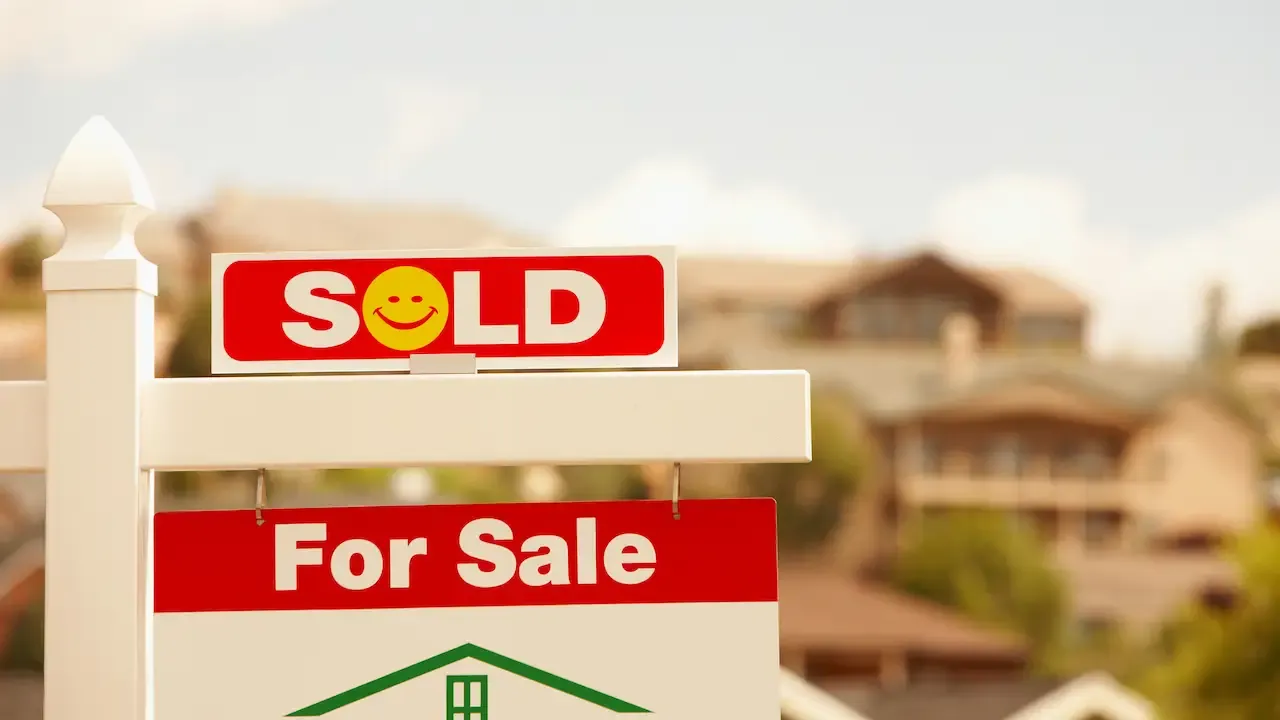
It’s something buyers and sellers notice pretty quickly: two similar homes hit the market at the same time, and one is under contract almost immediately while the other lingers for weeks—or longer. On the surface, it can feel random. In reality, there are a few consistent factors that separate the homes that move fast from the ones that sit.
Here’s what’s usually going on behind the scenes in areas like Orlando and surrounding markets.
Pricing That Matches the Moment
The homes that sell quickly are almost always priced in line with current buyer expectations—not last month’s or last year’s.
Even a small pricing miss can change how a listing performs. If a home is slightly overpriced, it tends to get fewer showings right out of the gate, which can slow momentum early. On the flip side, a well-priced home often generates immediate interest, multiple showings, and sometimes multiple offers.
In today’s market, buyers are paying close attention to value, not just listing price.
First Impressions Matter More Than Ever
Photos, condition, and presentation play a bigger role than most people expect.
Homes that show well online tend to get more clicks, more showings, and more urgency. Clean spaces, neutral tones, good lighting, and minor updates can all influence how a buyer feels before they even step inside.
On the other hand, homes that look dated, cluttered, or poorly presented can get overlooked—even if they’re priced competitively.
Location Within the Location
Not all homes in the same city are equally desirable. Micro-location matters.
Things like proximity to busy roads, schools, commercial areas, or even just the overall feel of the street can impact buyer interest. Two homes in the same neighborhood can perform very differently depending on lot placement, privacy, and surroundings.
This is why some listings generate consistent traffic while others struggle to get showings.
Marketing and Exposure
Homes that sell quickly are usually the ones that get in front of the most qualified buyers early.
That includes strong listing photos, clear descriptions, proper distribution across platforms, and sometimes targeted outreach. When a listing is easy to find and visually appealing, it naturally attracts more attention in the first few days—which is often the most critical window.
Listings that lack visibility or aren’t marketed effectively tend to lose that initial surge of interest.
Condition vs. Buyer Expectations
Buyers today often prefer move-in ready homes, or at least homes that don’t require immediate work.
Properties that need updates, repairs, or cosmetic improvements can still sell—but they typically require more strategic pricing and may take longer to find the right buyer. In contrast, updated homes that align with current design preferences tend to stand out and move faster.
Timing and Strategy
There’s also a timing component that’s easy to overlook.
Homes that hit the market when buyer demand is active—combined with the right pricing and presentation—tend to see quicker results. But beyond timing, the strategy behind how a home is launched matters just as much.
A strong start in the first few days often sets the tone for the entire listing period.
The Bottom Line
Homes don’t sell quickly by accident. The ones that move in days usually hit the right combination of pricing, presentation, location, and exposure from the start.
The ones that sit typically miss on one—or more—of those factors, and the longer a home stays on the market, the harder it can be to regain momentum.
In a market like Central Florida, understanding those differences can make a noticeable impact whether you’re buying or selling.
Categories
Recent Posts