
Buying a Home Near Water in Florida: 7 Questions to Ask Before You Fall in Love With the View

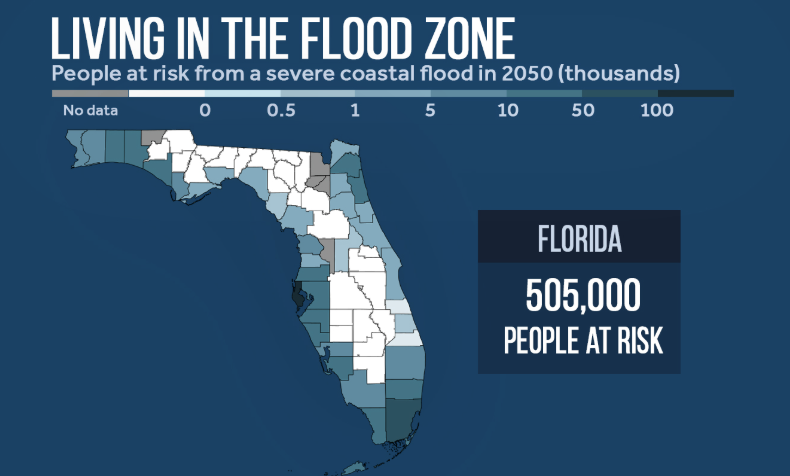
There’s a certain kind of Florida “trap” that gets even smart buyers.
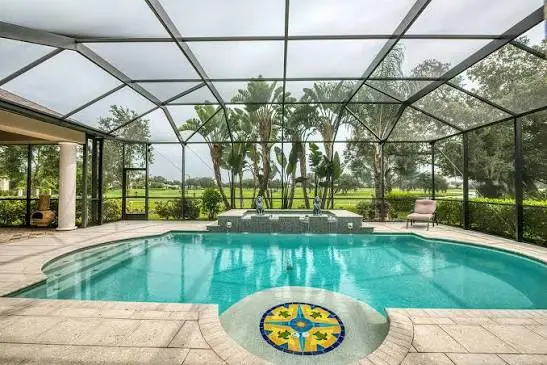
You pull up to the house. The sun hits the water just right. The breeze is doing its thing. You’re already picturing morning coffee on the lanai… and mentally moving your couch in.
And then—weeks later—reality shows up wearing rubber boots.
If you’re buying near water in Florida (lakefront, canal, river, or even “close enough to see it”), don’t just buy the vibe. Buy the facts. Here are 7 questions I want my clients asking before they fall in love with the view.
1) What flood zone is it… and what does that actually mean for me?
First stop: flood zone. Not because it’s scary—because it’s expensive when you ignore it.
Flood zones can impact:
-
Whether your lender requires flood insurance
-
How much that flood policy costs
-
Your resale pool later (future buyers ask the same questions)
Uncaged tip: Flood zone isn’t the only story. I also want to know if the neighborhood acts like it floods, even if the map says “low risk.” Where are the low points? What drainage systems are in place? Maps don’t always match real life.
2) Has this property ever flooded… or filed a claim?
This is the question people assume they’ll “find out later.”
Don’t.
Ask early. Ask directly. And verify what you can. Flood events (even minor) can leave behind:
-
Moisture issues
-
Mold risk
-
Hidden repair history
-
Insurance complications later
If the seller says “no,” that doesn’t automatically mean “never.” It means we dig a little deeper and look for signals (repairs, materials, elevation, drainage patterns, neighbor intel).
3) How is the drainage on the lot—where does water go when it dumps rain?
Florida rain doesn’t play. One big storm can tell you more about a property than a perfect sunny showing ever will.
Look for:
-
Standing water lines on the yard or fence
-
Low spots that collect runoff
-
Downspouts dumping right at the foundation
-
Slopes that push water toward the home
- Broken Drainage Systems
Uncaged question: “Where does the water go?”
If nobody can answer that clearly, that’s a yellow flag.
4) What kind of water is it—and what rules come with it?
“Waterfront” isn’t one thing.
A canal home can come with seawalls and boats… and maintenance.
A lakefront home can come with shoreline rules and erosion.
A riverfront home can come with fluctuating levels and current.
Depending on location, you may be dealing with:
-
HOA restrictions (dock rules, boat storage, shoreline changes)
-
Local ordinances / permits for seawalls or lifts
-
Conservation or environmental buffers
Translation: you might not be able to build the dock you’re imagining… or it might require time, permits, and tons more money than you expected.
5) If there’s a seawall or dock… what’s the condition and who pays for it?
Water features are awesome—until they’re not maintained.
Seawalls and docks have life spans. Repairs can be real money. And sometimes, there are shared responsibilities (especially in certain communities).
Ask:
-
How old is it?
-
Any visible cracks, leaning, separation, sinking?
-
Any permits or repair history?
-
Any future plans for replacement?
Uncaged tip: Treat the seawall like a roof. If it’s near end-of-life, you budget for it—or negotiate.
6) What will insurance realistically cost—and what’s the deductible situation?
This is where “I can afford the mortgage” turns into “why is my payment $600 higher than expected?”
Buying near water can impact:
-
Homeowners insurance (wind + water risk considerations)
-
Flood insurance (required or optional depending on financing status—but still worth pricing)
-
Deductibles (especially hurricane/wind deductibles)
What I tell buyers:
Now most flood policies are affordable, within a few hundred dollars for the entire year but, don’t guess. Don’t “ballpark.” Get real quotes early so you don’t get blindsided after you’re emotionally attached.
7) What’s the ‘future risk’—and will I still love this house in five years?
This is the grown-up question. And it’s the one that separates a good buy from an emotional buy.
Ask yourself:
-
Is the shoreline stable?
-
Is the area known for erosion, algae blooms, or changing water levels?
-
Is the neighborhood improving its drainage—or ignoring it?
-
If insurance costs climb, does the property still make sense?
Uncaged perspective:
The view is a feature. The numbers still have to work.
The Bottom Line: Buy the view… but verify the battlefield.
Waterfront (or water-close) living in Florida can be incredible. But it’s not just “pretty.” It’s a different kind of homeownership.
If you want the lifestyle without the surprises, the key is simple:
Ask the right questions early—before your emotions write checks your budget can’t cash.
Categories
Recent Posts