
Apopka Impact Fees Are Going Up — Here’s What That Means If You’re Buying New Construction

If you’ve been shopping new construction in Apopka (or you’re thinking about it), you’re about to hear a phrase that sounds boring… but can hit your wallet like a clean right hook:
Impact fees.
Apopka leaders have been moving forward with major impact-fee increases tied to new development—especially police, fire/EMS, and parks & recreation. WKMG+2The Apopka Chief Newspaper+2
And whether you realize it or not, these fees usually find their way into the price you pay for a brand-new home.
Let’s break it down in plain English, and more importantly, what you can do about it as a buyer.
First: What are “impact fees,” really?
Impact fees are one-time charges on new development meant to help pay for the added demand new homes create—things like roads, parks, fire stations, and law enforcement resources.
They’re commonly assessed when a builder pulls the building permit (not when you close). Orange County Florida+1
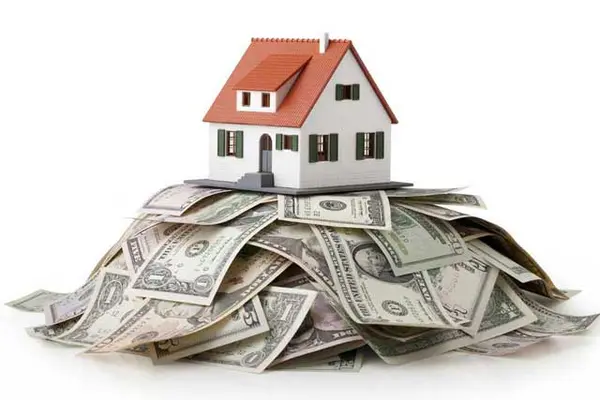
So while the bill is technically paid during the building process… the cost usually gets built into the home’s pricing (or into the builder’s numbers somewhere).
What’s changing in Apopka?
Apopka has been working through ordinances to increase municipal impact fees (police, fire/EMS, parks & rec), with coverage noting a significant jump for residential real estate—and even steeper for some commercial developers. CoStar+3WKMG+3The Apopka Chief Newspaper+3
Here’s the headline that matters most for single-family new construction buyers:
The “typical” impact fee bundle for a new single-family home is jumping roughly 42%
Numbers reported around the proposal show the single-family fees moving approximately like this:
- Police: $747 → $1,116
- Fire/EMS: $708 → $1,104
- Parks & Rec: $1,060 → $1,358 The Apopka Chief Newspaper+2Spectrum News 13+2
That’s a total increase of $1,063 per home
Also worth noting: Apopka’s own published fee page shows updated police and fire/EMS impact fees with an effective date listed as February 20, 2026 (Ordinance #3145). Apopka+1
“So does that mean my home price goes up $1,063?”
Not always dollar-for-dollar… but it absolutely can.
Here’s how this tends to play out in the real world:
1) Builders pass costs forward (because they have to)
Impact fees are a cost of doing business. Builders price homes based on land + labor + materials + permits/fees + margins. When fees rise, builders usually respond by:
- nudging base prices up,
- reducing incentives,
- tightening upgrade credits,
- or a combo of all three.
So while the raw math might be ~$1,063, the behavioral impact can feel bigger—especially if it means incentives shrink.
2) If you finance it, the monthly difference looks small… but the market impact can be bigger
If $1,063 gets rolled into a mortgage, the monthly hit might be roughly “a couple coffees.” (Still real money, but not life-changing.)
The bigger deal is this: when costs go up across the board, new construction becomes less flexible on price—and buyers lose some leverage.
3) It may affect what gets built (which affects your options)
When fees spike—especially on the commercial side—it can change which projects “pencil out,” and that can ripple into housing supply, nearby retail, and development timing. CoStar+1
The timing piece most buyers miss (and why it matters)
Impact fees are tied to permit timing, not your closing date.
That means two buyers can purchase in the same community and end up in different pricing realities depending on when the builder pulls permits and what fee schedule applies.
Some coverage around Apopka’s process also referenced a statutory waiting period concept and “key dates” tied to when new fees begin being collected. The Apopka Chief Newspaper+2JD Supra+2
Translation for you: if you’re buying new construction, you want to understand whether your home is:
- an inventory home (often already permitted / underway), or
- a to-be-built home (permits may be pulled later, under the new fee structure).
This can influence:
- final price,
- incentives,
- and sometimes even contract language about “government fees.”
What should YOU do if you’re considering new construction in Apopka?
Here’s the Uncaged, real-world checklist.
Ask this exact question:
“Is this home already permitted? And are impact fees already accounted for in the price I’m signing today?”
Then follow up with:
- Is the price guaranteed in writing?
Some builder contracts have clauses that allow adjustments for certain government/municipal costs. You want clarity, not surprises. - Are incentives changing soon?
Builders sometimes reduce incentives when their costs go up—even if they don’t immediately raise the base price. - Compare: new build vs resale (same area, same payment)
If new construction pricing tightens, resale homes can look better—especially if you care about negotiating, closing costs, or avoiding “wait time.” - If you want new construction: consider inventory / quick move-in homes
These are often the best “value pockets” when costs are rising—because the builder may be motivated to move them, and many of the backend costs are already baked in. - Don’t just shop the house—shop the location
Impact fees can differ by municipality and by whether you’re inside city limits vs unincorporated areas. The right street can matter more than people think.
The bigger picture: why Apopka is even doing this
The city’s argument (in plain terms) is: growth costs money—and the fees help fund public services needed for new residents (police, fire, parks). Spectrum News 13+2WKMG+2
Whether you agree with the approach or not, as a buyer your job is simple:
Don’t get blindsided by costs that can influence your price, your incentives, and your negotiating power.
My take as your “watch your blind side” Realtor
If you’re buying new construction in Apopka in the next 6–12 months, the move is not panic.
The move is strategy. And realize there isn’t anything we can do about it but see what happens as a result:
- Know the dates
- Know whether you’re buying permitted inventory or to-be-built
- Know what your contract says about fee changes
- Know your resale alternatives
- And negotiate from a position of information
If you want, tell me the community you’re looking at (or send the model + price range), and I’ll break down the smartest path: inventory vs build, incentives to push for, and what to watch for in the fine print.
Categories
Recent Posts